
Apple's September 9 "Surprise and Shine" keynote introduced one of the most consequential hardware shifts in Cupertino’s history: the official debut of the book-style foldable iPhone Duo alongside the powerhouse iPhone 18 Pro. For years, mobile enthusiasts debated whether Apple would ever embrace flexible OLED panels or stick strictly to its slab architecture. Now that both flagship devices are officially unveiled, prospective buyers face an unprecedented choice.
Should you step into the future of foldable multitasking with the pocketable, passport-sized iPhone Duo, or does the mechanical six-blade variable-aperture camera on the iPhone 18 Pro make it the smarter flagship investment? Here is our comprehensive real-world comparison covering hardware architecture, daily performance, camera innovations, and long-term value.
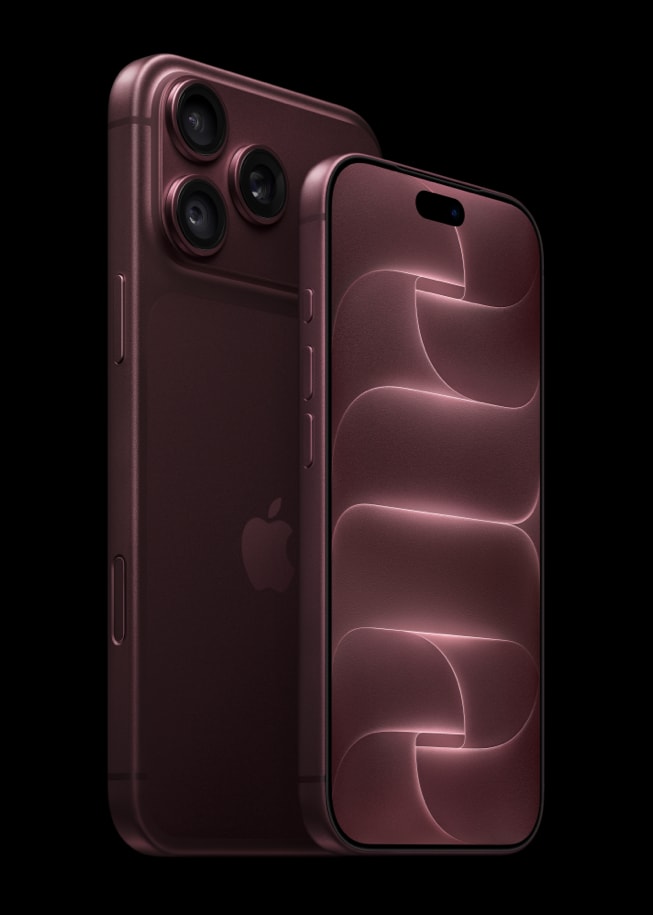
1. Form Factor & Display Architecture
The core difference between these two flagship devices comes down to physical ergonomics and screen real estate:
- iPhone Duo Display Mechanics: When folded closed, the Duo operates with a 5.4-inch outer cover display that delivers comfortable one-handed navigation. Unfolding the precision-engineered liquid metal hinge reveals an expansive 7.6-inch Super Retina XDR internal display with a custom nano-texture finish that dramatically reduces screen reflections and minimizes crease visibility. At just 4.5mm thin when opened, it is the slimmest device Apple has ever built.
- iPhone 18 Pro Display Refinements: The 18 Pro maintains the classic 6.3-inch form factor, featuring an upgraded Ceramic Shield front cover with 3x higher scratch resistance and an anti-reflective micro-coating. The Dynamic Island has also been redesigned to be roughly 35% smaller, now capable of displaying up to three concurrent Live Activities simultaneously.
2. Performance: A20 Pro Silicon & Vapor Chamber Cooling
Both devices are powered by Apple’s groundbreaking 2nm A20 Pro processor, but their thermal architectures handle sustained compute loads differently.
| Feature / Specification | iPhone 18 Pro | iPhone Duo (Foldable) | Real-World Impact |
|---|---|---|---|
| Form Factor | Anodized Aluminum Slab | Book-Style Liquid Metal Hinge | Pocket portability vs. tablet multitasking |
| Primary Camera | 48MP Variable Aperture (ƒ/1.48–ƒ/4) | Dual 48MP Fusion Wide Array | True optical depth of field on 18 Pro |
| Thermal Management | Redesigned 3x Vapor Chamber | Split-Cell Vapor Dissipation | Up to 40% better sustained gaming rates |
| Memory & Storage | 12GB RAM (256GB–1TB) | 12GB RAM (256GB–2TB) | Equal local on-device Apple Intelligence |
| Starting Price (US) | $1,199 (256GB) | $1,999 (256GB) | $800 premium for foldable display tech |
The A20 Pro features a 6-core CPU that is 20% faster than its predecessor, a 7-core GPU boasting up to 40% faster rendering, and a dual-cluster Neural Engine delivering 2x computational AI throughput. In sustained benchmarks, the iPhone 18 Pro’s newly enlarged vapor chamber provides up to a 40% gain in continuous compute performance over previous generations. Mobile filmmakers looking to edit multi-stream 4K ProRes files captured on either device can connect directly to an Apple MacBook Pro 16-inch for desktop-grade timeline finishing.
3. Camera Capabilities: Mechanical Aperture vs. Foldable Versatility
The camera systems represent the most distinct split between both models:
- Mechanical Six-Blade Variable Aperture: The iPhone 18 Pro introduces laser-cut mechanical aperture blades that physically expand and contract between four distinct stops (from ƒ/1.48 for low-light portraits up to ƒ/4 for group landscape depth). This delivers natural optical bokeh and eliminates digital cutouts in complex portraits.
- Dedicated Pro Camera Controls: Pro controls on the 18 Pro allow videographers to manually dial in shutter speed, lens aperture, and white balance with an on-screen exposure histogram. When recording uncompressed Log video on location, connecting high-speed external storage like the SanDisk Professional 2TB PRO-BLADE Transport ensures continuous write speeds without dropped frames.
- Foldable Form Factor Advantages on iPhone Duo: While the Duo foregoes the variable aperture mechanism and dedicated 5x telephoto in favor of keeping its chassis 4.5mm thin, its folding hinge acts as a stable tabletop tripod. With Smart Take and Dual Capture in FaceTime, the Duo streams from its front and rear cameras simultaneously while letting preview subjects see themselves on the outer screen.
4. Battery Life & Charging Speeds
The iPhone Duo incorporates two separate battery cells connected across its titanium chassis, providing up to 24 hours of mixed dual-screen usage and 31 hours of continuous video playback on the interior panel. Meanwhile, the thicker chassis of the iPhone 18 Pro houses a high-density cell that delivers all-day endurance with extensive camera usage. Both devices support high-speed fast charging through modern desktop docks such as the CalDigit TS4 Thunderbolt 4 Dock.
Final Verdict: Which Apple Flagship Fits Your Workflow?
- Choose the iPhone Duo if: You want an all-in-one phone and tablet in your pocket, spend hours reviewing split-screen documents, and want the biggest, most immersive screen Apple has ever produced.
- Choose the iPhone 18 Pro if: You are a content creator or mobile photographer who demands physical variable aperture control, optical 5x telephoto reach, and proven unibody durability in classic finishes like Glacier or Burgundy.
Disclaimer: As an Amazon Associate, I earn from qualifying purchases at no additional cost to you.


